November 16, 2026
In Montessori education, history is not presented as a collection of isolated facts or simplified myths. Instead, we offer children a broad, interconnected view of human history, what Dr. Maria Montessori called Cosmic Education. We seek to cultivate gratitude, empathy, and respect for all people by exploring truthful perspectives and acknowledging the rich contributions of diverse cultures across time.
As Thanksgiving approaches, many families take time to gather, express gratitude, and share meals. It is also an opportunity for us to look closer at the historical reality of this holiday, particularly from the perspective of the Indigenous people who lived on this land long before European settlers arrived.
Understanding the Historical Context
When early English colonists arrived on the East Coast of North America, they established their settlement near the village of the Wampanoag people. While the two groups interacted, their relationship was complex. Survival in the new environment was difficult for the colonists, and many perished during their first year.
In the autumn of 1621, after harvesting their first successful crop, the colonists fired weapons as part of a harvest celebration or hunting activity. Hearing the gunfire, Sachem Massasoit and a group of 90 Wampanoag men traveled to investigate. Realizing there was no immediate threat, the Wampanoag joined the gathering, which lasted three days. Historical documents note that the Wampanoag contributed several deer to the feast.
While this event is often cited as the origin of our modern American holiday, the Wampanoag had already practiced formal traditions of thanksgiving for thousands of years. For the Wampanoag, giving thanks was not an annual event, but a daily practice and a seasonal tradition deeply rooted in their connection to the earth and one another.
Today, for many Native Americans, Thanksgiving is also recognized as a Day of Mourning: a time to remember the loss of land, culture, and lives that followed in the generations after those early encounters.
Traditions of Gratitude: Wampanoag Celebrations
Long before the arrival of the colonists, the Wampanoag marked the rhythm of the year with seasonal celebrations of gratitude:
- Spring: Celebrations aligned with the planting of new crops.
- Early Summer: The Strawberry Thanksgiving, honoring the first fruits of the season.
- Autumn: Cranberry Day, a harvest celebration that remains a vital cultural tradition today.
- Winter: A time for gathering, reflection, and sharing food and resources with neighbors in need.
Today, Wampanoag children and families continue to honor Cranberry Day, taking time to celebrate their enduring heritage and connection to the land.
Exploring Traditional Native Foods
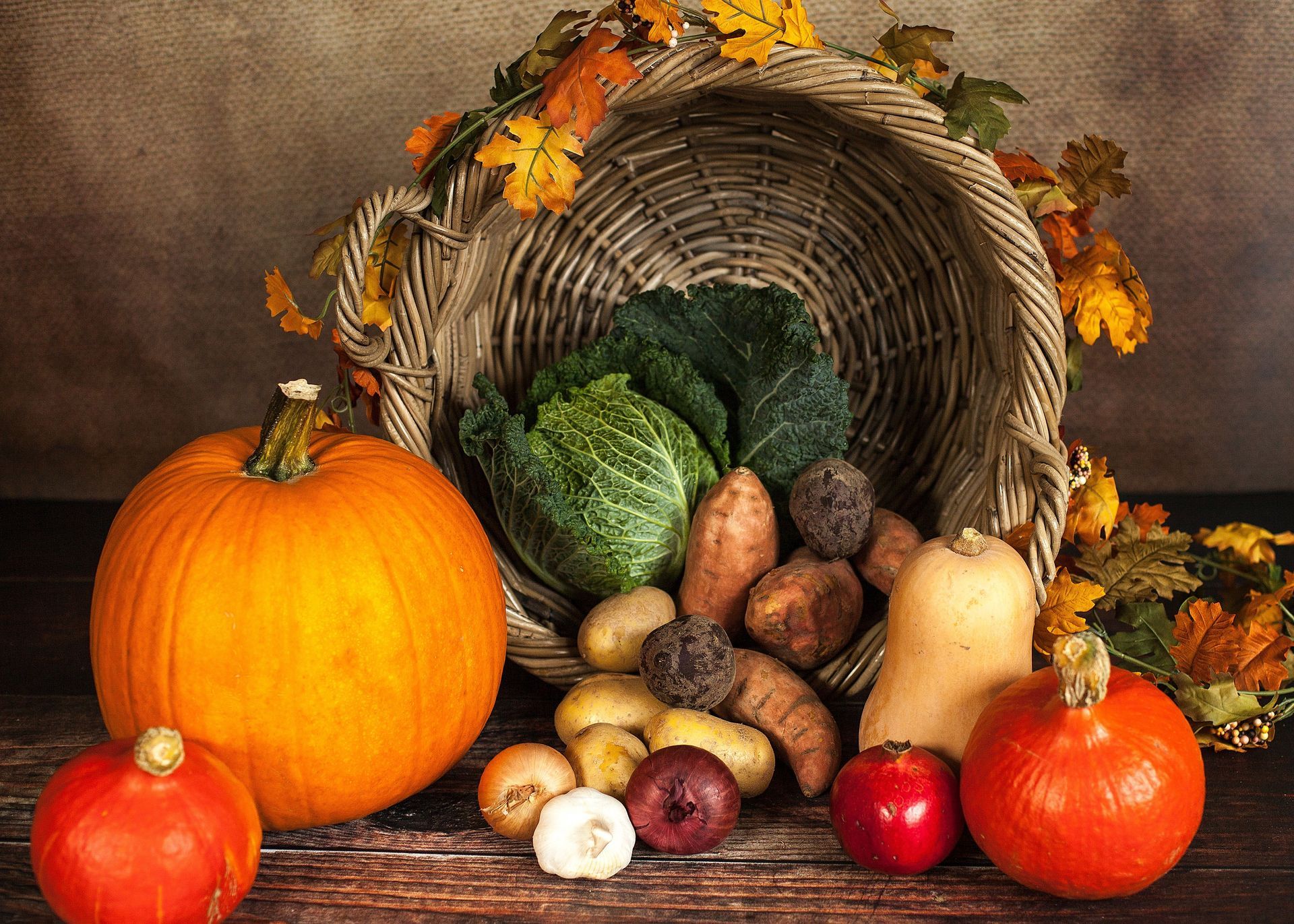
Many foods associated with modern Thanksgiving dinners, such as cranberry sauce or sweet potato dishes, were not present at the 1621 gathering. Instead, meals relied on local, seasonal ingredients harvested by Native communities.
One traditional Wampanoag dish is Nasaump, a nourishing porridge made from dried corn, native berries, and nuts.
Nasaump Recipe
Ingredients:
- 1 1/2 cups cornmeal
- 1 cup fresh or dried berries (strawberries, raspberries, or blueberries)
- 1/2 cup crushed nuts or seeds (walnuts, hazelnuts, or sunflower seeds)
- 1 quart water
- Pure maple syrup to taste (optional)
Instructions:
- Combine the cornmeal, berries, crushed nuts, and water in a pot.
- Bring the mixture to a gentle boil.
- Reduce the heat to medium-low and cook for 15 minutes, stirring frequently, until the mixture thickens into a warm porridge. Add a drizzle of maple syrup if desired.
Addressing Common Historical Myths
As we encourage critical thinking and research skills in our Elementary students, we also invite families to examine common misconceptions surrounding Thanksgiving history:
- Myth: The settlers landed cleanly on Plymouth Rock.
Fact: Historical and geological evidence suggests Plymouth Rock was not the actual landing site, but rather a landmark designated much later in American history. - Myth: Squanto was simply a helpful friend to the settlers.
Fact: Tisquantum (Squanto) had a complex history. Having been previously captured and taken to Europe as a slave, he returned to find his home village destroyed by disease. He used his knowledge of English to navigate political alliances between the colonists and rival native groups. - Myth: The 1621 feast established lasting peace.
Fact: Relations between the English settlers and Native populations grew increasingly tense as colonists expanded onto Indigenous lands, eventually leading to conflict, displacement, and severe disruption of Native communities.
Continuing the Conversation at Home
Gratitude is a cornerstone of Montessori practice, found in our daily Grace and Courtesy lessons, our care for the environment, and our appreciation for the natural world. By honoring historical truth alongside our traditions of giving thanks, we help children develop authentic empathy, cultural respect, and a deeper connection to the world around them.
To explore more about the history of the Wampanoag people and cultural heritage, consider these educational resources: