September 14, 2026
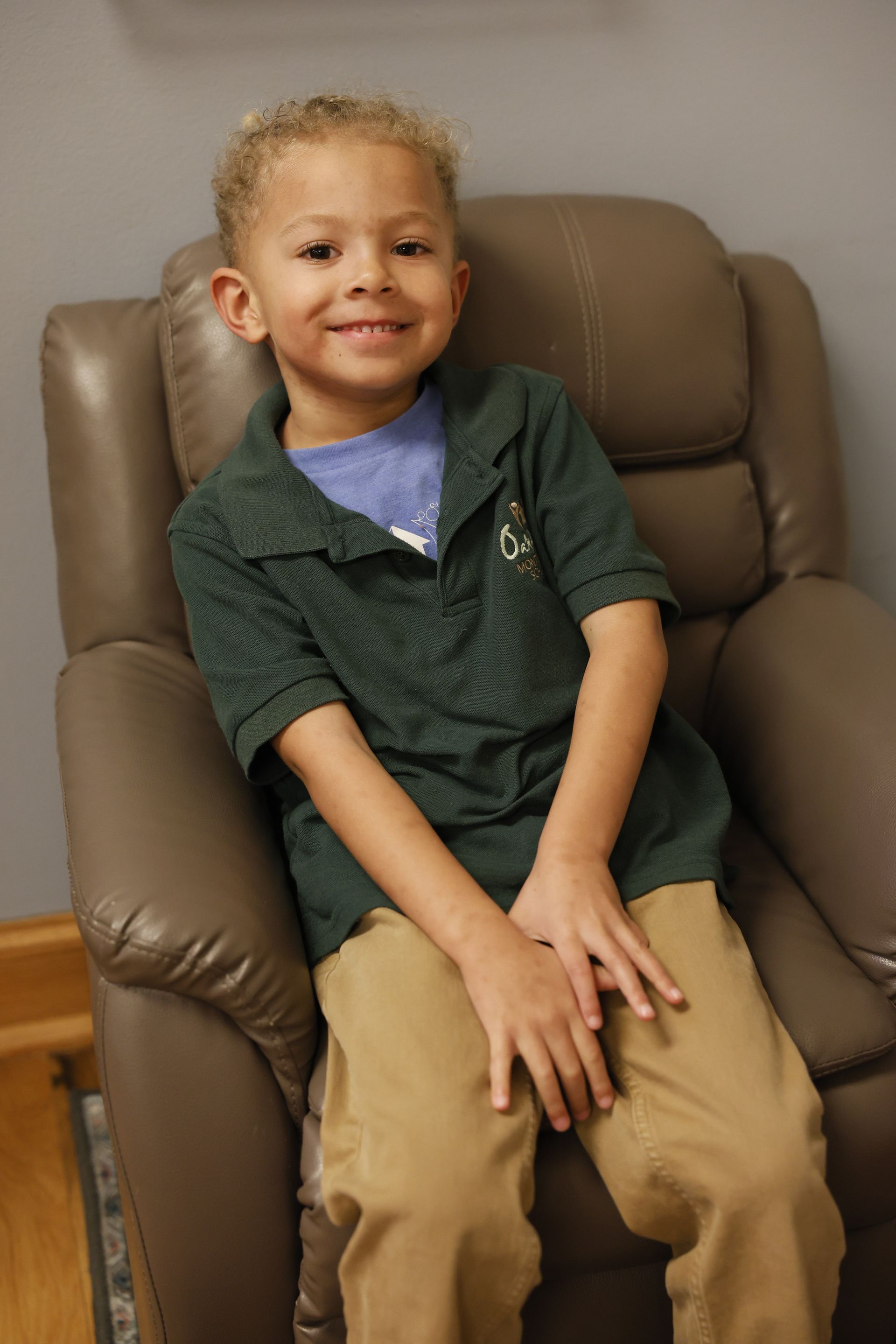
Every morning, the doorways of our OakHaven environments become places of profound transition. Children often skip into their classrooms, eager to greet their Guides (teachers) and choose their work for the day. However, for many young children, drop-off time can also bring moments of hesitation or tearful goodbyes.
If your child experiences separation anxiety when dropping off at school, please know that this is a completely natural, healthy part of human development.
In Montessori education, we view transitions not as hurdles to overcome quickly, but as valuable opportunities to build trust, emotional resilience, and independence. Here is a closer look at why separation anxiety happens and how we can partner together to help your child feel confident and secure.
What Separation Anxiety Looks Like
Separation anxiety can manifest in various ways depending on your child's age, temperament, and current developmental phase. You might notice your child:
- Crying or tearing up as you approach the drop-off line or school entrance.
- Clinging physically to your arm, leg, or clothing.
- Expressing loud protests or verbal resistance before leaving home or the car.
- Expressing persistent worry about when you will return.
For most children, separation anxiety is a temporary phase that resolves within a few days or weeks as they adapt to the classroom rhythm. As children realize that the classroom is a safe, predictable space and that their parents always return at the end of the day, their anxiety naturally subsides.
Even older Primary or Elementary children can experience brief bouts of separation anxiety after a weekend, a long break, or during times of personal change. While these moments can be heart-wrenching for parents, they are a normal part of processing transition.
Why Does Separation Anxiety Happen?
Understanding the developmental reasons behind separation anxiety helps us respond with patience and empathy.
The Toddler & Early Primary Years (Ages 2 to 4)
For young children, separation anxiety is often tied to object permanence and developing trust. As their awareness expands, they realize that you continue to exist even when you aren't in sight. They are learning to navigate the boundary between their home environment and the wider world, and they want to be sure that the separation is only temporary.
Outside Factors and Life Changes
Separation anxiety can also be triggered by physical or environmental factors. If a child is tired, recovering from an illness, experiencing a change in routine at home, or adjusting to a new sibling, their need for emotional attachment naturally increases. These feelings are usually brief and resolve once the child feels reassured and re-established in their routine.
Practical Strategies for a Peaceful Drop-Off
Collaborating with your child's Guide and establishing a consistent morning rhythm makes a world of difference. Here are several strategies that align with our Montessori approach:
1. Protect Your Morning Rhythm
Rushing creates a sense of urgency and elevated stress for both adults and children. Leaving an extra five to ten minutes in your morning schedule allows for a calm commute and a relaxed arrival at school.
2. Establish a Predictable Goodbye Routine
Children thrive on order and predictability. Create a simple, consistent goodbye sequence—such as two warm hugs, a high five, and a confident "I love you, and I will see you at pick-up time!" When children know exactly what to expect, they feel secure.
3. Keep Goodbyes Loving, Clear, and Brief
Lingering during drop-off can inadvertently signal to your child that there is a reason to be hesitant or concerned. Conversely, sneaking away without saying goodbye can erode trust and increase worry. A clear, warm, and confident goodbye gives your child the reassurance they need to step into their day.
4. Project Calm Confidence
Children are remarkably adept at reading our emotional cues. If you feel hesitant, anxious, or guilty during drop-off, your child will pick up on those feelings. Displaying confidence in your child’s capability and in our OakHaven Guides and staff reassures your child that they are safe and cared for.
5. Partner with Your Child's Guide
Our Montessori Guides are deeply experienced in supporting children through emotional transitions. Guides excel at gentle redirection, offering comfort, and engaging children in purposeful work as soon as they step into the environment. Feel free to reach out to your child's Guide if you ever want to check in or align on drop-off strategies.
When to Look Deeper
In most cases, separation anxiety is a passing phase. However, if anxiety persists for several months without improvement, significantly impacts your child's ability to engage in the classroom, or causes severe distress across multiple areas of life, it may be helpful to consult with your child's Guide or pediatrician for additional support.
We Are Here to Partner with You
Building trust between home and school is an ongoing journey. Every drop-off is a step toward your child developing self-reliance, emotional regulation, and trust in their community.
If you have questions about drop-off routines or would like to discuss how your child is settling into their environment, please connect with your child's Guide or our administrative team. We are honored to walk alongside your family.